Six American Service Members Killed When Refueling Aircraft Crashes Over Iraq
The KC-135 crash is the first significant U.S. aircraft loss in Operation Epic Fury. The Pentagon identified the dead within hours.
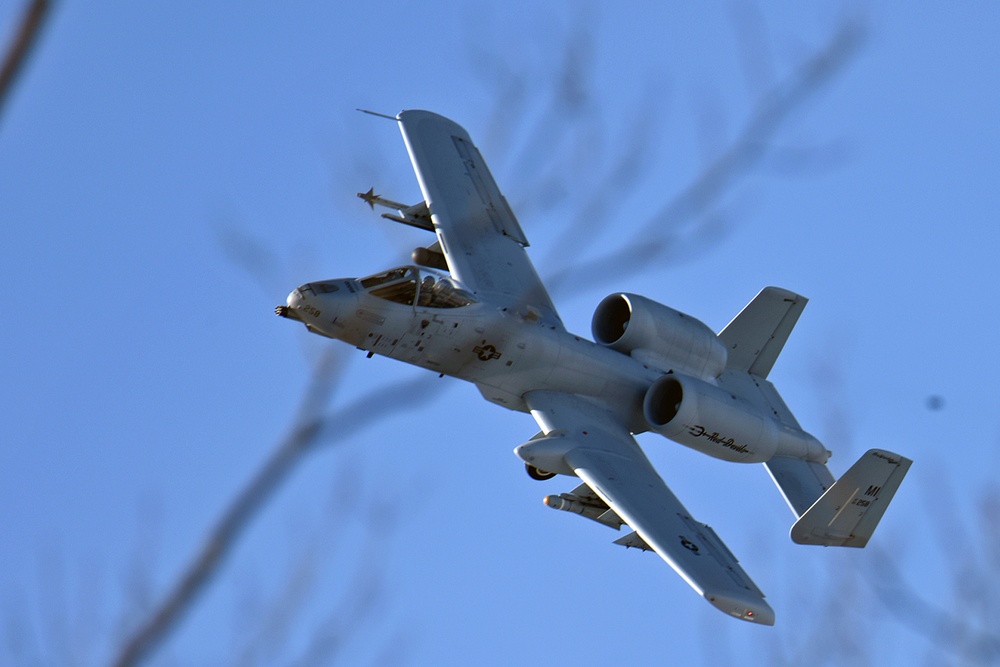
Six American service members were killed Wednesday when a KC-135 Stratotanker aerial refueling aircraft crashed over western Iraq during operations supporting Operation Epic Fury. The Pentagon identified all six crew members within hours and notified their families. They are the first American service members killed since the campaign against Iran's nuclear program began.
The cause of the crash has not been determined. The Defense Department stated that the investigation is ongoing and that "hostile fire has not been ruled out." The KC-135, a Boeing 707-derived tanker that has been in service since 1957, is the backbone of the Air Force's aerial refueling fleet. The aircraft are old, some approaching seven decades of continuous service, but they are maintained to exacting standards and are not typically vulnerable to the threat environment over Iraq.
The Mission
Aerial refueling is the unglamorous backbone of American air power. Without tankers, the air campaign over Iran would be impossible. No strike aircraft based in the Persian Gulf has the range to reach targets deep inside Iran and return without taking on fuel in flight. Every sortie flown against Iranian nuclear facilities, every bomber run against military targets, depends on KC-135 and KC-46 crews flying predictable orbits over Iraq and the Gulf, keeping the strike packages fueled and on station.
The six crew members who died Wednesday were doing exactly that. It is dangerous work conducted by professionals who understand the risks and accept them. The tanker crews of Operation Epic Fury fly long hours over hostile territory, often unarmed, to keep the campaign running. Their contribution rarely makes headlines, but the campaign does not function without them.
The Tanker Fleet
The KC-135 fleet is one of the Air Force's most critical assets and one of its oldest. The average KC-135 airframe is approximately 60 years old. The Air Force has been fielding the new KC-46 Pegasus as a replacement, but the program has been plagued by delays, cost overruns, and technical problems, including a defective remote vision system that made boom operations unreliable for years. As of early 2026, the Air Force has roughly 300 KC-135s and 80 KC-46s in service.
The Iran campaign is consuming tanker capacity at high rates. The loss of one aircraft is operationally manageable, but the broader picture matters. The KC-135 fleet has been asked to do more, for longer, than anyone planned. The Air Force's failure to replace these aircraft on schedule is a procurement failure that stretches back decades, across multiple administrations and Congresses that chose to fund other priorities. The men and women flying these missions are compensating for that institutional failure with skill and endurance.
A serious country would have replaced the KC-135 fleet twenty years ago. It did not, and now the oldest tankers in the inventory are flying combat operations. The crews do not complain. They fly.
Strategic Context
The crash is a reminder that the Iran campaign, however justified its initial objectives, costs American lives. The United States has not suffered significant combat deaths in a major military operation since Afghanistan. Six families now bear the weight of this campaign personally.
The strike against Iran's nuclear program was the right decision. A regime that has killed over 600 Americans through proxy operations since 1979, from the Beirut barracks bombing to the IEDs that tore through American vehicles in Iraq, was weeks away from a nuclear weapon. Acting was necessary.
But necessary action and prolonged war are not the same thing. Every week this campaign continues, more Americans fly missions over hostile territory in aging aircraft. The question the administration must answer is not whether the cause is just. It is when the mission is complete, and when these crews come home. The six Americans who died over Iraq on Wednesday deserve an answer. So do the ones still flying.
Related Stories

Muscat Round 3 Ends Without Framework Agreement
The third round of indirect U.S.-Iran talks ended in Muscat on Friday morning without the framework agreement Witkoff had been seeking. The Iranian delegation departed for Tehran.
May 15, 2026 · 5 min read

U.S. Destroyer Confronts Iranian Fast Boats in Hormuz
The USS Truxtun drove off four Iranian fast boats approaching a Liberian-flagged tanker in the central Strait on Saturday, in the most serious non-kinetic confrontation since the blockade began.
May 9, 2026 · 6 min read

Witkoff Is in Muscat for the Third Round of Iran Talks
Special Envoy Steve Witkoff arrived in Muscat on Sunday morning aboard a commercial Emirates flight from Dubai, joining Iranian Foreign Minister Abbas Araghchi in a city where the Sultan's protocol forbids public confirmation of negotiations until both sides authorize disclosure, and where the substantive work of the third round of indirect U.S.-Iran talks has now begun under conditions that neither government would publicly acknowledge for several days.
May 4, 2026 · 7 min read